Published February 10, 2026 09:28AM
This Lightning-Fast Morning Routine Helps You Hike More Miles
Dawdle less, hike more with these tips.
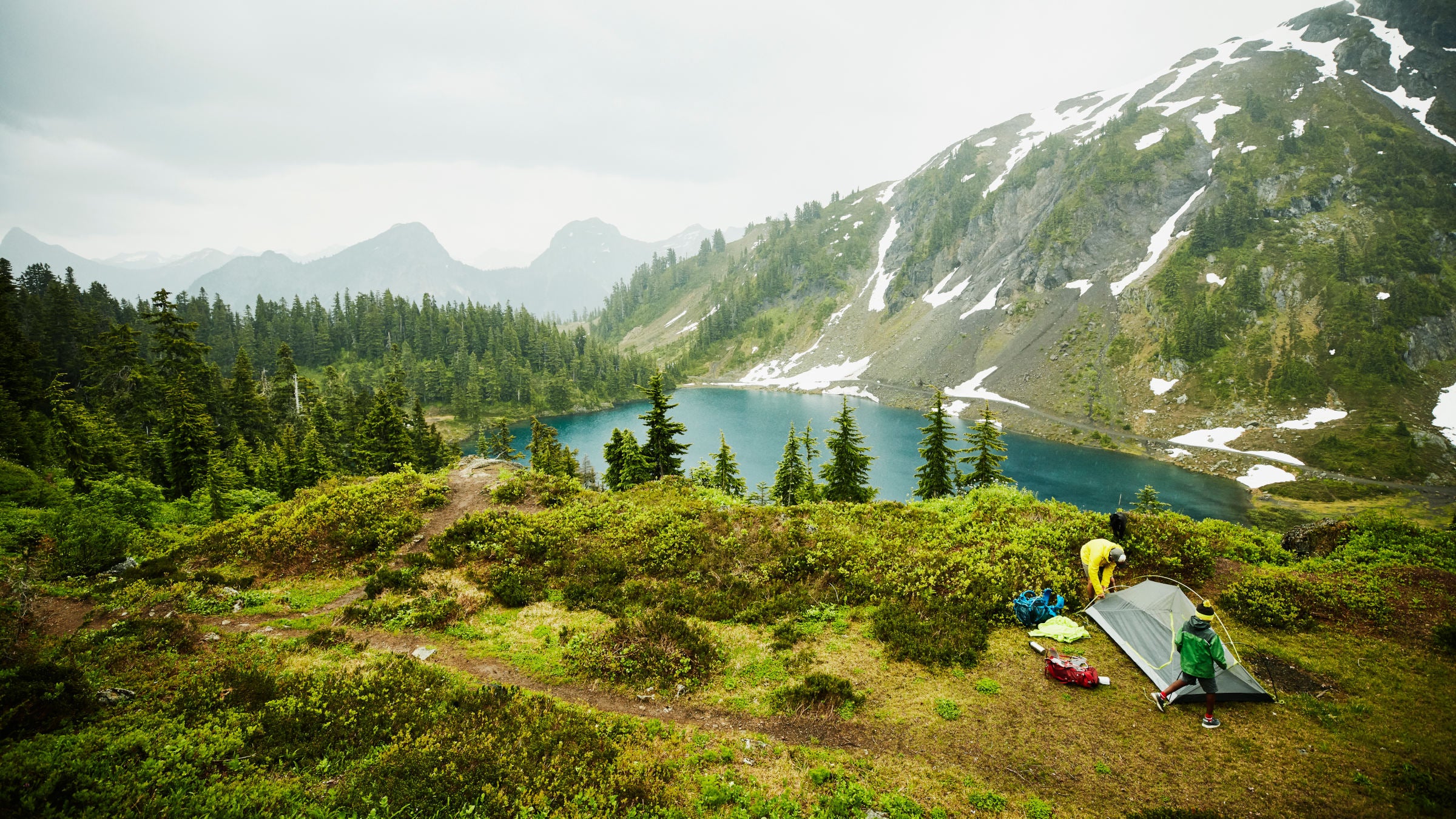
(Photo: Thomas Barwick via Getty Images)
For some, backpacking is an act of leisure: Time spent in camp, soaking in the views, and embracing stillness are the whole point. But for others, it’s all about the miles.
I fall somewhere in the middle. Some trips are for overpacking, moving slowly, and relaxing with friends. On others, I’m focused on pushing myself physically and covering as much terrain as I can.
Whichever hiking philosophy you embrace, there’s value in moving efficiently, especially when it comes to breaking down camp and hitting the trail each morning. It affords you flexibility to adjust your itinerary to adapt to changing weather conditions, indulge in side quests, and enjoy stress-free evenings in camp (who wants to pitch their tent in the dark?). It can also help in an emergency: On one backpacking trip, my partner woke up at 4 a.m. with severe altitude sickness; our ability to swiftly break camp and descend before his condition worsened may have prevented a worse incident. Safety aside, there’s something joyful about squeezing as much exploration out of a day on the trail as possible.
ADVERTISEMENT
Backpacking doesn’t need to be about rushing. But cutting down on chore time allows you to maximize what you came for: enjoying nature. Here are some tips for getting out of camp faster.
Skip the coffee
Caffeine addicts will cringe at this one, but the biggest time-suck in camp is firing up the stove. Try no-boil alternatives like chocolate-covered espresso beans or instant cold brew, which you can consume in a fraction of the time as a hot cup. If you need a steaming beverage, boil water the night before and keep it in an insulated bottle, which often are effective at keeping liquids warm overnight (though you’ll pay a weight penalty compared to a regular mug or bottle). Dump in a pack of instant grounds in the morning and you’re ready to roll.
Eat breakfast on the go
If it takes a while for your appetite to kick in once you wake, consider making some miles before breakfast. I’m a fan of cold breakfasts on the trail, which don’t require any time to rehydrate and are ready to eat when I am. Granola and dry milk is my go-to. Some long-distance hikers prefer to eat while they walk. Bars and protein shakes are good for this. Alternatively, hike for an hour before firing up the stove for breakfast—you may even find a vista along the trail that warrants a longer stop.
Embrace organization at bedtime
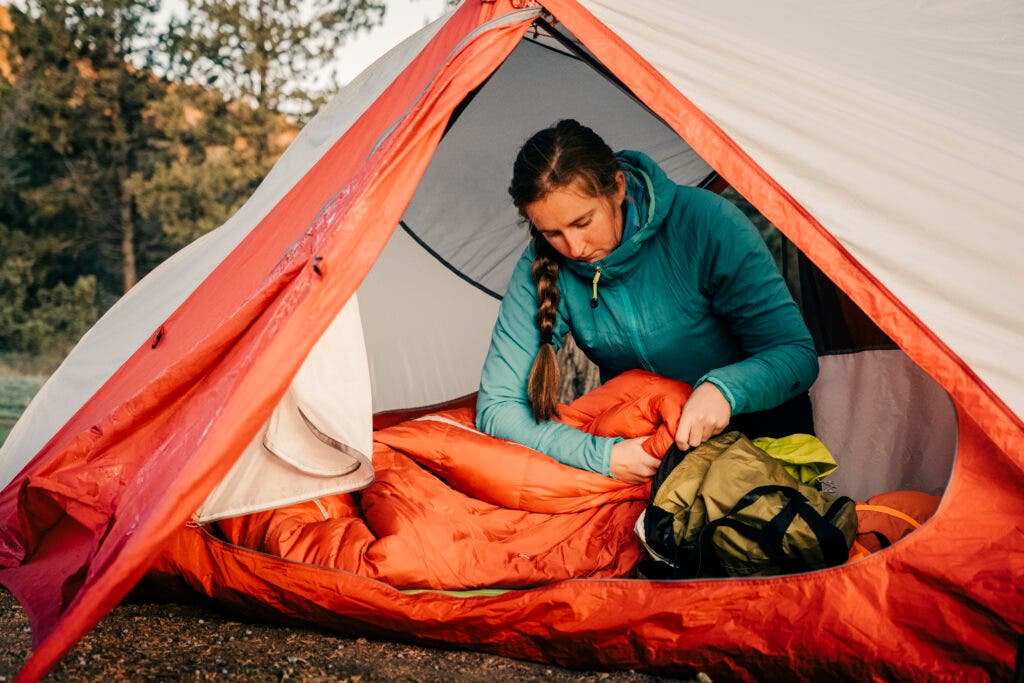
Prepping your gear the night before instead of in the morning when you’re groggy can save you lots of trouble . Group tomorrow’s snacks, breakfast, and lunch at the top of your bear can or bear bag. I like to keep my hiking clothes inside my sleeping bag overnight so they’re warm and handy in the morning. Fill up on water and pack as much as you can before bed, utilizing stuff sacks to enhance organization.
ADVERTISEMENT
Suck it up!
Nothing wastes daylight like snoozing. On a cold morning, staying inside your cozy sleeping bag is tempting. I force myself to get moving by deflating my sleeping pad while I’m still on it. I didn’t come backpacking to stare at tent walls, after all.
My morning routine looks like this: Wake up, deflate my pad, don hiking clothes while still in my sleeping bag, pack up my sleep system, gather any other loose gear, and exit the tent. Once I’m out of the tent, I don’t go back in. This streamlines the packing and tent breakdown process. Plus, wearing my hiking clothes motivates me to get moving rather than lounging around camp.
Multitask
Dilly-dallying is the enemy of early starts. If you must have hot coffee, break down your tent while the water boils. Delegate camp chores to various members of your group, and stick with those assignments for the duration of the trip. If you develop a routine, practice, and adopt the right mindset, efficiency will follow. Many wonders await you on the trail. Now get moving.
