Updated February 26, 2026 01:40PM
If you buy through our links, we may earn an affiliate commission. This supports our mission to get more people active and outside.Learn about Outside Online's affiliate link policy
New Data Reveal Why Hikers Called for Rescue in 2025
Who calls for help in the backcountry most often, and why? Here's what a year of Garmin inReach data say.
(Photo: Courtesy Garmin)
The Garmin inReach may just be the most ubiquitous single piece of gear on the trail. While Apple’s built-in SOS feature is proving to be stiff competition, tackle any path in North America and you’ll likely spy inReaches hanging off at least a couple of backpack straps. And according to data Garmin released today, these satellite communicators are seeing a lot of use.
Every year, Garmin compiles a summary of the SOS calls users triggered with their devices. In its 2025 inReach SOS Year in Review, Garmin reported that the company now sees more than 3,000 inReach SOS incidents annually. That number has grown significantly in the past decade and a half: Garmin inReach satellite technology first hit the market in 2011, and the company announced its 10,000th SOS incident in 2022.
Data about who triggers an SOS call, what led to it, and what results from it reveal a lot about how hikers handle backcountry safety.
Who’s most likely to call for rescue on their inReach?
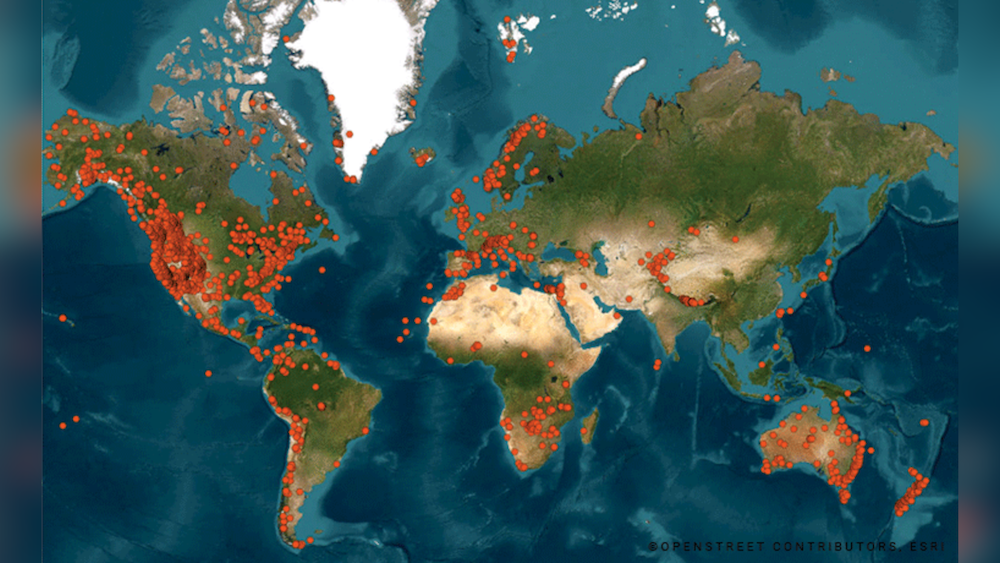
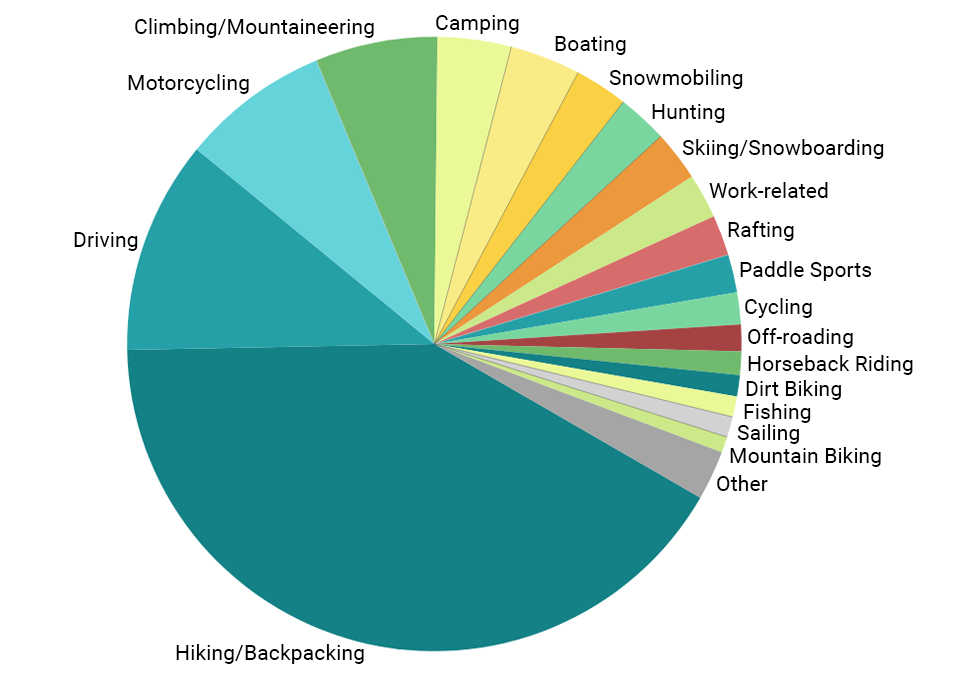
For at least the fourth year in a row, hikers and backpackers made up a larger proportion of rescuees than any other group. The five activities that prompted the most rescue calls stayed the same from 2024 to 2025. (In order, those activities go: hiking/backpacking, driving, motorcycling, climbing/mountaineering, and camping.) Last year, however, saw an increase in trail- and mountain-based incidents overall, such as those related to hiking, climbing, and camping. According to the heatmap in Garmin’s report, large clusters of SOS incidents occurred in mountainous areas around the world, such as the Rockies, the Andes, and the Himalayas. The majority of these SOS calls were for the person who pushed the SOS button. However, in 2025, Garmin reported an increase in the portion of SOS calls that were motivated by a different party member or group’s emergency.
ADVERTISEMENT
Why do people push the SOS button?
Unsurprisingly, injury is the top reason adventurers needed emergency help. However, when looking at year over year data, Garmin reported that there has been an increase in calls prompted by medical issues, such as altitude sickness, heart problems, and gastrointestinal illness. Besides medical issues and injury, other top reasons why users triggered an emergency response include strandings and lost parties.

Do all inReach SOS calls lead to rescue?
Due to the two-way messaging abilities of inReaches, not everyone who called for help needed the cavalry to save them. Garmin reports that users self-rescued without emergency resources over 12 percent of the time. When users did need rescue, however, about a third of responses required helicopter rescue.
Real Examples Of Survival From an inReach SOS
Now on hiatus, our podcast “Out Alive” is a treasure trove of survival stories. All are different, but many began when a hiker had to push the SOS button on an inReach. Listen to a few here.
- “She Was Solo on the Wonderland Trail With a New Pacemaker. Then Lightning Struck.”: After receiving a pacemaker, Stephanie Ingram embarked on a solo trek of Washington’s Wonderland Trail to celebrate her health. But a natural disaster came to threaten everything.
- “How an Ultrarunner Saved a Lost Hiker’s Life”: Ultrarunner Jeremy Humphrey used a deep knowledge of his local mountain range to help rescue a missing hiker.
- “We Successfully Summited—But the Descent Almost Killed Us”: Risk management is just a part of mountaineering. But when does a climb cross the line from exciting to dangerous?
